


Urethane Casting Service
Low-Volume Production Specialists
Urethane Casting Services
Production-grade plastic and elastomeric parts in as fast as 7 days. Silicone molding delivers production-level aesthetics and performance—at a fraction of injection molding tooling costs.
Instant Quotes & DFM
Upload your 3D model and receive automated pricing + DFM feedback within hours.
Production-Grade Quality
Vacuum-cast parts with tight tolerances, excellent surface finish, and precise material matching.
Parts as Fast as 7 Days
From master pattern to shipped parts—optimized for speed without compromising quality.
10-200
Part Qty
20-30
Parts / Mold
$200-$1K
Mold Cost
PROCESS OVERVIEW
What Is Urethane Casting?
Urethane casting—also known as vacuum casting or polyurethane casting—is a cost-effective manufacturing process ideal for producing 10-200 units of production-quality plastic or rubber-like parts.
Unlike injection molding, which requires expensive steel molds (typically $5,000-$50,000+), urethane casting uses affordable silicone molds built around a 3D-printed or CNC-machined master pattern. Each silicone mold typically yields 20-30 high-quality castings, making it the perfect bridge between prototyping and mass production.
The result? Parts with excellent surface detail, consistent mechanical properties, and cosmetic quality suitable for end-use testing, pilot runs, and market validation—all without the upfront tooling investment.
10-200
Typical Part Quantities
20-30
Parts per Silicone Mold
$200-$1K
Silicone Mold Cost
±0.15%
Expected Shrinkage
Up to 30"
Maximum Part Size
Why Choose BLH for Urethane Casting?
From concept to production, we deliver quality, speed, and flexibility that traditional manufacturing cannot match.
Low Tooling Costs
Silicone molds cost a fraction of steel or aluminum tooling—ideal for low-volume production and design iterations.
Wide Material Selection
ABS-like, PC-like, PP-like, nylon-like, and elastomeric (25A-90A Shore) formulations. Clear, color-matched, and custom-tinted options available.
Complex Geometries
Achieve sharp internal corners, undercuts, and variable wall thicknesses that CNC machining and injection molding cannot easily produce.
Excellent Surface Finish
Vacuum casting eliminates bubbles and preserves fine detail. Gloss, semi-gloss, matte, and custom texture (SPI/MT) finishes available directly from the mold.
Secondary Operations
Painting (including EMI shielding), overmolding onto rigid substrates, insert installation, pad printing, and silk screening—all in-house.
Fast Turnaround
Parts delivered in as fast as 7-10 days from master pattern approval. No minimum order quantities.
How Urethane Casting Works
A transparent, 4-step process from your CAD file to production-quality parts.
01
Master Pattern Creation
We create a high-precision master pattern using SLA 3D printing or CNC machining, finished to your required surface specifications.
02
Silicone Mold Making
The master is encapsulated in two-part RTV silicone. Once cured, the mold is carefully cut and the master removed—creating a precise negative cavity.
03
Vacuum Casting
Urethane resin is mixed, degassed, and poured into the silicone mold under vacuum. The part cures and is then demolded.
04
Finishing & Quality Check
Excess material is trimmed, secondary operations applied as needed, and every part undergoes 100% visual inspection before shipment.
Questions about the process? Our engineers are here to help.
SPEAK WITH AN ENGINEER
MATERIAL OPTIONS
Material Options
Broad selection of polyurethane formulations to match your application requirements—from rigid plastics to soft elastomers.
ABS-like
Rigid, impact-resistant, easy to paint
Best for: Housings, enclosures, structural prototypes
PC-like
High strength, transparent options available
Best for: Lens covers, light guides, tough parts
PP-like
Flexible, fatigue-resistant
Best for: Living hinges, snap-fit components
Nylon-like
Wear-resistant, durable
Best for: Gears, bushings, functional mechanical parts
Elastomeric (25A-90A)
Rubber-like flexibility
Best for: Seals, gaskets, grips, overmolds, bumpers
High-Temp
Heat-resistant formulations
Best for: Under-hood automotive, industrial applications
Clear / Color-Matched
Water-clear or custom Pantone/RAL colors
Best for: Consumer products, display models
UL94 V-0 Flame Retardant
Fire-resistant certification
Best for: Electronics, electrical enclosures
Need a specific material not listed? We can source specialty formulations.
REQUEST CUSTOM MATERIALIndustries We Serve
Trusted by engineers and product teams across diverse sectors for reliable, low-volume production parts.
Automotive
Interior trim, gaskets, prototype housings, lens covers
Consumer Products
Ergonomic grips, enclosures, wearables, display models
Medical Devices
Device housings, seals, soft-touch components, training models
Electronics
EMI-shielded enclosures, overmolded connectors, potting components
Industrial
Seals, vibration dampers, prototype tooling, replacement parts
Robotics
Flexible joints, gripper pads, impact-resistant covers
Quality You Can Trust
Every part undergoes rigorous inspection and documentation to ensure it meets your specifications.
100% Visual Inspection
Every urethane cast part is inspected before shipment.
Inspection Reports
Detailed quality reports included with every order.
Material Certifications
CoCs and material certifications available on request.
Tight Tolerances
General tolerance of ±0.3mm or ±0.15% (whichever is greater).
ISO 9001 Certified
Quality management system ensuring consistent results.
Mold Life Tracking
Transparency on mold lifecycle so you know when to reorder.
Urethane Casting at Every Stage
From concept models to production runs—flexible solutions for every phase of product development.
Concept Stage
Looks-like models for marketing photography, investor pitches, trade shows
Early Prototyping
Functional elastomeric parts—complex gaskets, seals, overmolds
Late Prototyping / EVT
Cost-effective production of 50-100 units for engineering validation testing
Low-Volume Production
Bridge tooling between 3D-printed prototypes and injection molding—20-200 units
FAQ
Frequently Asked Questions
Standard lead time is 7-10 days from master pattern approval. Rush orders can be accommodated—contact us for expedited scheduling.
Each silicone mold typically produces 20-30 high-quality parts, depending on part geometry, material, and complexity.
We accept STEP, IGES, STL, and native CAD files from SolidWorks, Fusion 360, and Pro/E.
Yes. We offer Pantone and RAL color matching, as well as SPI and MT surface textures directly from the mold.
We can cast parts up to 30 inches (760mm) in length. For larger parts, please contact us to discuss custom solutions.
Yes. We support overmolding onto rigid substrates and can install threaded inserts, bushings, and other hardware during the casting process.
Our general tolerance is ±0.3mm or ±0.15% (whichever is greater). Tighter tolerances available upon request for critical features.
Yes. Certificates of Conformance (CoCs) and material certifications are available upon request at no additional charge.
Ready to Get Started?
Get an instant quote or speak directly with our engineering team. Whether you need 10 parts or 200, we'll help you find the most efficient path to production-quality components.
ISO 9001:2015 Certified
No Minimum Order Quantity
7-10 Day Turnaround

We encourage innovative thinking and continuously seek improvement and breakthroughs to meet customer needs and lead industry development.
With the development of the Internet of Things and automation technology, smart valves can achieve remote monitoring and automation control through sensors and control systems, improving the efficiency and reliability of energy systems.
Engineering Machinery Solutions
Silicon Mold
Why Choose Silicone Molds?
- Non-Stick Perfection: Say goodbye to the struggle of removing your baked goods. Our silicone molds provide a non-stick surface that ensures easy release every time.
- Durability: Made from high-quality food-grade silicone, our molds are built to last. Withstands temperatures from -40°C to 230°C, perfect for ovens, microwaves, and freezers.
- Versatility: Create a variety of dishes with ease. From cakes and muffins to jellies and ice cream, our molds are suitable for a wide range of recipes.
- Easy to Clean: Enjoy the convenience of hassle-free cleaning. Simply pop our molds in the dishwasher for a quick and thorough clean.
- Flexible Design: The flexibility of silicone allows for easy shaping and pouring, making your baking process smoother and more enjoyable.
- BPA-Free: Rest assured knowing our molds are free from BPA, ensuring the safety and health of you and your loved ones.
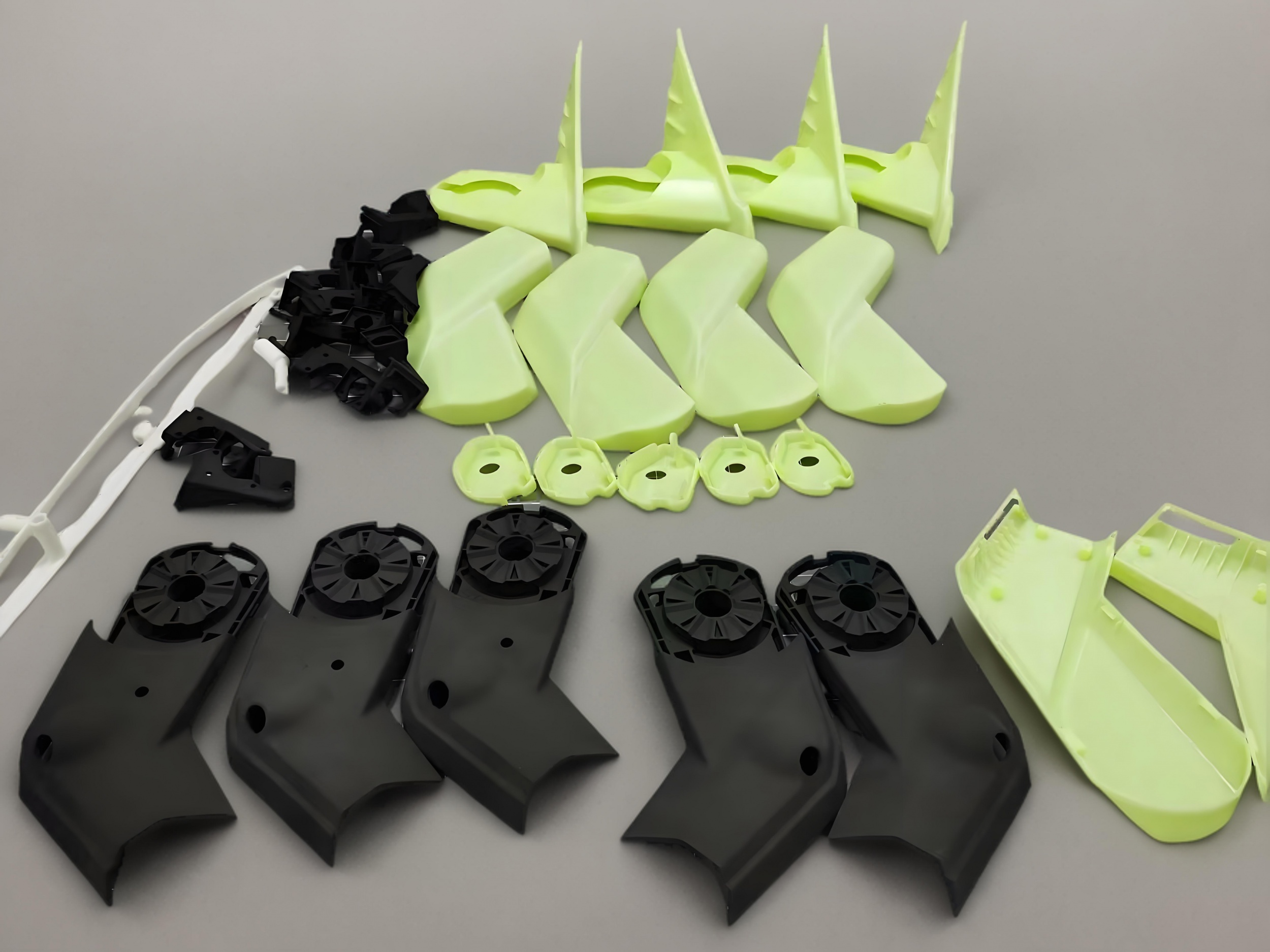

Production Quality at Low Volumes
This process is a quick, cost-effective way to produce 10-200 units with production-level quality. Typically, each silicone mold will produce 20 castings.

Complex Elastomeric Parts
Urethane casting is ideal for prototyping elastomeric parts such as complex gaskets and overmolds on rigid parts.

Good Quality
Same quality buy less lead time and cost.

High Level of Detail
Urethane casting allows for almost limitless complexity, including sharp internal corners unachievable with CNC machining, and designs without draft or uniform wall-thickness that can’t be injection molded.


 Baolaihua
 Customer service staff